
Understanding When Your AC Needs Professional Attention
Recognizing the early warning signs of air conditioning problems can save homeowners significant money and prevent uncomfortable situations during the hottest months. Texas summers place tremendous demands on cooling systems, and the strain often reveals underlying issues that require immediate attention.
Weak airflow ranks among the most common indicators that something needs fixing. When vents deliver minimal cool air despite the system running constantly, the problem typically involves blocked ductwork, failing compressor components, or refrigerant issues. Homeowners should never ignore this symptom, as it forces the unit to work harder while delivering poor results, leading to higher energy bills and potential system failure.
Unusual sounds provide another critical signal. While all systems produce some operational noise, grinding, squealing, or banging sounds indicate mechanical problems requiring prompt diagnosis. These noises often stem from worn belts, loose components, or motor bearing failures that will worsen without intervention.
Temperature inconsistencies throughout the home suggest issues with thermostat calibration, ductwork problems, or inadequate refrigerant levels. When some rooms remain uncomfortably warm while others feel adequately cooled, the system cannot properly distribute conditioned air. This imbalance not only affects comfort but also indicates inefficiency that drives up operational costs.
Moisture accumulation around the unit or unusual odors signal problems demanding immediate attention. Refrigerant leaks pose health risks and prevent proper cooling, while moisture buildup can indicate drainage problems that lead to water damage or mold growth. Musty smells often point to biological growth within the system, while burning odors may indicate electrical issues or overheating components.
Frequent cycling, where the system turns on and off repeatedly without completing full cooling cycles, indicates thermostat malfunctions, electrical problems, or refrigerant issues. This behavior places excessive wear on components and significantly reduces system lifespan while failing to maintain consistent temperatures.
Common Problems Affecting Cooling Performance
Refrigerant problems represent one of the most frequent causes of inadequate cooling. Systems lose refrigerant through leaks in coils, connections, or line sets. Low refrigerant levels prevent proper heat exchange, forcing the system to run continuously without achieving desired temperatures. Contrary to common misconceptions, refrigerant does not simply deplete through normal use; any shortage indicates a leak requiring professional location and repair before recharging.
Frozen evaporator coils often surprise homeowners who assume more ice means better cooling. In reality, ice buildup on indoor coils signals restricted airflow, low refrigerant, or blower problems. The ice prevents proper heat absorption, rendering the system ineffective. Multiple factors can cause this freezing, including dirty filters, blocked return vents, or failing blower motors, requiring professional diagnosis to identify the root cause.
Capacitor failures affect both the compressor and fan motors. These components store electrical energy needed to start motors and maintain consistent operation. When capacitors weaken or fail, motors struggle to start or run inefficiently, sometimes not starting at all. Given the electrical demands Texas heat places on cooling systems, capacitor issues occur frequently and require replacement by qualified technicians due to the high voltage involved.
Contactor problems prevent the outdoor unit from receiving power. These electrical switches control power flow to the compressor and condenser fan motor. Pitted or burned contacts create resistance, generate heat, and eventually fail to close properly. While the thermostat calls for cooling, the outdoor unit remains silent and inactive. Regular electrical inspections identify deteriorating contactors before complete failure occurs.
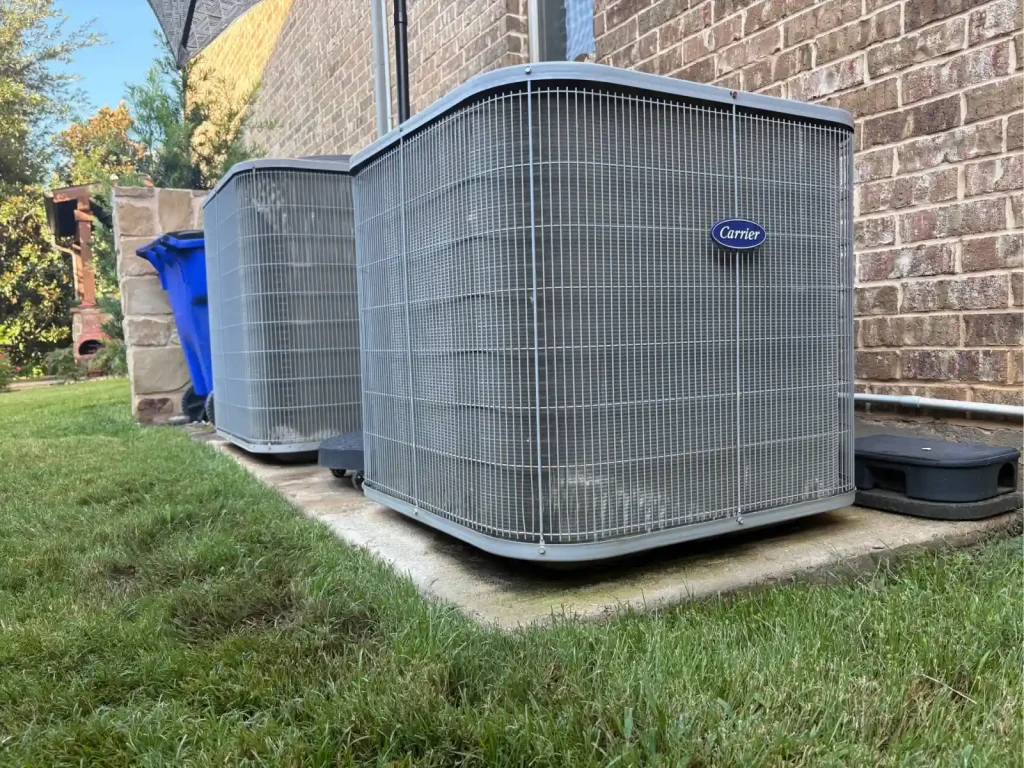
Dirty or damaged coils dramatically reduce efficiency. The outdoor condenser coils release heat absorbed from inside the home. When these coils accumulate dirt, grass clippings, cottonwood seeds common in this region, or other debris, heat exchange becomes restricted. Similarly, bent fins block airflow and reduce capacity. Indoor evaporator coils also collect dust and biological growth when not properly maintained, further diminishing performance.
Blower motor and fan problems affect air circulation throughout the home. Failing motors struggle to move air through ductwork, reducing comfort and straining other system components. Belt-driven blowers may suffer from worn or loose belts that slip or break. Direct-drive motors can experience bearing failures or electrical problems. These issues not only reduce cooling but can also create safety hazards if left unaddressed.
The Professional Diagnostic Process
Proper diagnosis begins with a thorough system evaluation rather than jumping to conclusions based on symptoms alone. Qualified technicians follow systematic approaches to identify root causes rather than merely addressing surface symptoms. This methodical process ensures accurate repairs that solve problems permanently rather than providing temporary fixes.
The initial assessment involves gathering information about the system’s behavior, age, maintenance history, and specific symptoms. Technicians examine when problems occur, how long they persist, and what conditions trigger them. This information helps narrow potential causes and direct the inspection efficiently.
Visual inspection reveals many common issues. Technicians examine electrical connections for corrosion, loose wires, or burn marks indicating overheating. They check refrigerant lines for damage, proper insulation, and signs of leaks. The outdoor unit receives scrutiny for debris accumulation, damaged fins, or signs of physical damage. Indoor components undergo examination for proper drainage, clean coils, and secure mounting.
Electrical testing measures voltage, amperage, and resistance across various components. These measurements reveal whether motors, capacitors, contactors, and other electrical parts function within proper specifications. Voltage imbalances or incorrect amperage draw indicate failing components even before complete failure occurs, allowing preventive replacement.
Refrigerant testing involves measuring pressures on both the high and low sides of the system. These pressure readings, combined with temperature measurements at various points, reveal refrigerant levels, heat exchange efficiency, and proper system operation. Specialized leak detection equipment identifies refrigerant leaks that may not be visible or easily located.
Airflow measurement ensures the system moves appropriate volumes through ductwork and vents. Insufficient airflow indicates filter problems, duct restrictions, or blower issues. Technicians measure temperature differentials between supply and return air to verify proper cooling capacity and efficiency.
Thermostat calibration testing confirms accurate temperature sensing and proper communication with the cooling system. Even minor calibration errors cause comfort problems and inefficient operation. Modern programmable and smart thermostats require verification of proper programming and connectivity in addition to basic functionality.
Component testing isolates individual parts to verify proper operation. Capacitors receive testing for proper capacitance and voltage ratings. Motors undergo checks for proper rotation, bearing condition, and electrical draw. Compressor performance gets evaluated through pressure testing, temperature measurements, and operational sounds.
Repair Solutions and Restoration Techniques
Refrigerant leak repairs require locating the exact leak source, which may involve pressure testing with nitrogen, electronic leak detection, or ultraviolet dye inspection. Once located, repairs vary based on leak location and severity. Small leaks in accessible joints may receive brazing repairs, while larger leaks or those in difficult locations might require component replacement. After repairs, technicians evacuate moisture from the system using vacuum pumps before recharging with the proper refrigerant type and quantity according to manufacturer specifications.
Electrical component replacement addresses failed capacitors, contactors, relays, and transformers. These repairs require proper safety procedures including power disconnection and discharge of stored electrical energy. Replacement parts must match original specifications for voltage, capacitance, and current ratings. Proper wire sizing and secure connections ensure reliable operation and prevent future failures. Many electrical problems stem from poor connections rather than failed components, making thorough inspection and connection tightening part of every electrical repair.
Coil cleaning restores heat exchange efficiency without requiring expensive replacements in most cases. Professional cleaning uses specialized equipment and solutions designed for delicate aluminum fins and copper tubing. High-pressure washing can bend fins and damage coils, so proper techniques and appropriate pressure settings are essential. Chemical cleaners remove biological growth, mineral deposits, and stubborn debris. After cleaning, technicians straighten bent fins using specialized combs, restoring proper airflow. In cases of severe damage or corrosion, coil replacement becomes necessary to restore proper function.
Compressor replacement represents a major repair, often prompting evaluation of whether replacement or full system upgrade makes better financial sense. When compression occurs, technicians must recover remaining refrigerant, disconnect electrical and refrigerant lines, and remove the failed unit. New compressor installation requires proper brazing techniques, system evacuation to remove moisture and air, and precise refrigerant charging. The job includes replacing the filter-drier to remove contaminants that may have entered during compressor failure and flushing line sets if metal debris circulated through the system.
Blower motor and fan repairs address air circulation problems. Belt replacement on older systems requires proper tensioning for quiet, efficient operation. Motor replacement involves selecting units with correct horsepower, speed, and rotation characteristics. Modern ECM (electronically commutated motor) technology offers improved efficiency but requires proper programming and integration with control systems. Fan blade replacement or balancing eliminates noise and vibration while ensuring proper airflow volumes.
Drainage system repairs prevent water damage and humidity problems. Clogged condensate drains receive thorough cleaning using wet-dry vacuums, compressed air, or specialized cleaning solutions. Damaged drain pans require replacement to prevent leaks. Condensate pumps, necessary when drainage cannot flow by gravity, need occasional replacement or cleaning. Installing float switches provides protection against flooding should primary drainage fail.
Thermostat replacement and upgrading improve comfort control and efficiency. Modern programmable and smart thermostats require proper wire configuration, power supply verification, and careful programming. Wi-Fi connectivity setup enables remote monitoring and control. Proper placement away from heat sources, drafts, and direct sunlight ensures accurate temperature sensing. Some replacements require additional common wire installation to provide adequate power for advanced features.
Why Choose Conquest HVAC for Your Cooling Needs
Selecting the right heating and cooling provider makes the difference between temporary fixes and lasting solutions. With over 15 years of hands-on experience, Conquest HVAC brings the technical knowledge and practical skills necessary to diagnose and resolve complex cooling problems efficiently. The combination of licensing, insurance, and proven track record provides the foundation for reliable service that protects both your investment and your family’s comfort.
The locally owned business model ensures accountability and responsiveness that larger corporations often cannot match. When problems arise during extreme heat events that regularly affect the Fort Worth area and surrounding communities, having access to technicians familiar with regional conditions and common system stresses provides significant advantages. This local presence means faster response times and personalized attention to each customer’s unique situation.
Honest recommendations distinguish quality service providers from those focused solely on sales. Rather than pushing unnecessary replacements or expensive upgrades, the focus remains on cost-effective solutions that address actual needs. This approach builds long-term relationships based on trust rather than one-time transactions. Whether a simple repair restores full function or a complete replacement makes better financial sense given the system’s age and condition, customers receive straightforward guidance enabling informed decisions.
Fair pricing reflects the value of quality workmanship without the inflated costs associated with high-pressure sales tactics or misleading promotional gimmicks. Transparent pricing structures allow customers to understand exactly what they are paying for and why specific repairs are necessary. This transparency extends throughout the service process, from initial diagnosis through final testing and customer education.
Quality workmanship ensures repairs perform reliably for years rather than failing prematurely. Proper techniques, appropriate materials, and attention to detail separate lasting repairs from temporary patches. Using manufacturer-specified parts and following industry best practices protects equipment warranties and ensures optimal performance. Thorough testing after repairs verifies proper operation before technicians leave the property.
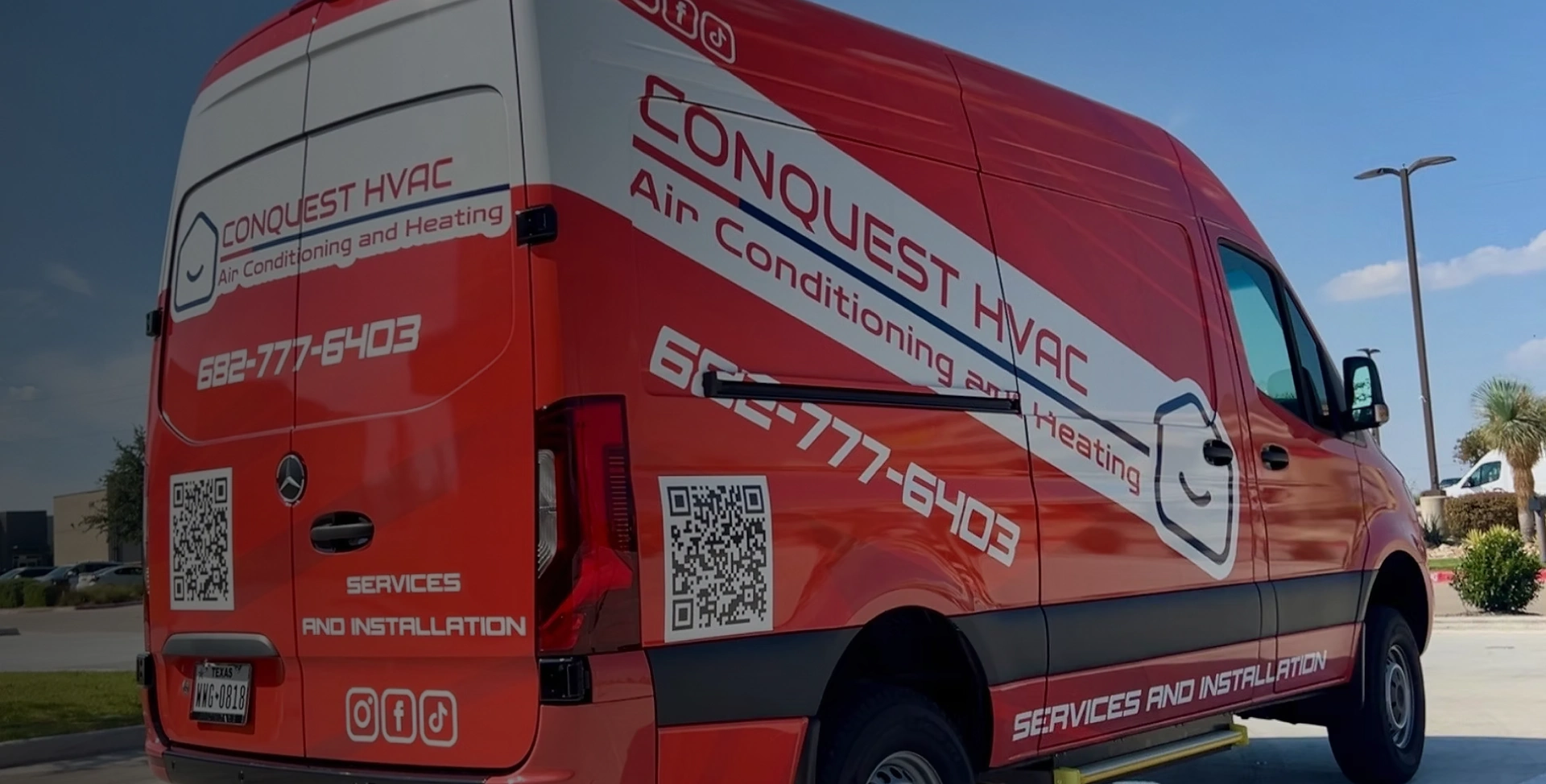
Customer service excellence means clear communication, respect for property, and commitment to satisfaction. Technicians arrive prepared with well-stocked vehicles, minimizing trips and delays. They protect flooring and work areas, clean up thoroughly, and explain findings in understandable terms. Follow-up ensures customers remain satisfied and systems continue performing as expected. This dedication to service quality has built a reputation throughout Keller and surrounding areas including Fort Worth, Southlake, Grapevine, and Colleyville.
Whether facing an emergency breakdown during peak summer heat, noticing declining performance, or seeking preventive maintenance to avoid future problems, having a trusted heating and cooling partner provides invaluable security. The combination of technical expertise, honest business practices, and commitment to customer satisfaction makes the decision clear for homeowners and businesses seeking dependable cooling solutions.